- Car & Truck Engine Blocks Used-New Parts
- sku: 8884895141185853
- MTU 05136520
05136520 MTU Block
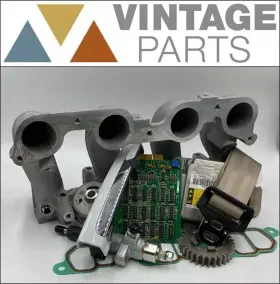
| Brand | MTU |
|---|---|
| Manufacturer Part Number | 05136520 |
| Type | PARTS |
Review MTU Genuine Block New Oem
The MTU 05136520 block is a high-performance, compact, and versatile I/O module designed for use in industrial automation applications. This module is part of the PROFIBUS DP (Decentralized Periphery Bus) product range from Mitsubishi Electric.
The MTU 05136520 is a 16-channel, 4-loop, universal I/O station. It offers a diverse range of input and output functions, including analog input (0-20 mA and 4-20 mA), digital input (normally open and normally closed), and digital output (form C and form S). This makes it an ideal solution for monitoring and controlling various process parameters in industrial environments.
The module features a compact design, with a width of only 18.5 mm, making it suitable for installation in even the most space-constrained control cabinets. Despite its small size, the MTU 05136520 offers high-density I/O, ensuring maximum utilization of available space.
The MTU 05136520 is equipped with advanced diagnostic functions, allowing for early detection and resolution of potential issues. This helps to minimize downtime and improve overall system reliability. The module also supports PROFIBUS DP v1 and v2 protocols, ensuring compatibility with a wide range of automation systems.
Furthermore, the MTU 05136520 offers a high update rate of up to 250 Hz, ensuring that process data is updated frequently and accurately. It also features a built-in watchdog timer, which ensures that the module remains responsive and operational.
The module is designed for use in harsh industrial environments, with a temperature range of -25 C to 70 C and a protection rating of IP66. It also features a rugged design, with a vibration resistance of 10 g and a shock resistance of 200 g, ensuring that it can withstand the rigors of industrial applications.
The MTU 05136520 is easy to install and configure, with a user-friendly software interface that allows for quick and efficient setup. It also offers excellent communication performance, with a maximum communication distance of up to 1,000 meters using two-wire bus cables.
In summary, the MTU 05136520 block is a versatile and high-performance I/O module designed for use in industrial automation applications. Its compact design, diverse range of I/O functions, advanced diagnostic capabilities, and rugged construction make it an ideal solution for monitoring and controlling various process parameters in even the most demanding industrial environments.
Buying a MTU (Maximum Transmission Unit) with a size of 0x05136520 (approximately 48.8 KB) involves considering its potential advantages and disadvantages in network configurations. Here's a brief analysis:
Advantages:1. Efficient use of network bandwidth: A larger MTU size allows for the transmission of more data in a single packet, reducing the overhead associated with smaller packet sizes. This can lead to improved network performance, particularly in environments where large data transfers are common.
2. Reduced latency: By sending larger packets, fewer packets need to be transmitted, resulting in lower latency and improved responsiveness in the network.
3. Improved throughput: Higher MTU sizes can lead to increased network throughput, as fewer packets are required to transmit the same amount of data.
Disadvantages:1. Increased memory requirements: Larger packets require more memory for buffering, which can impact the performance of network devices and endpoints. Additionally, larger packet sizes may require more processing power to handle and fragment if necessary.
2. Fragmentation: Larger packets may need to be fragmented when transmitted through networks with smaller MTUs. Fragmentation introduces additional overhead and can lead to reduced network performance.
3. Complexity: Implementing larger MTUs can be more complex and may require additional configuration and management, particularly when dealing with diverse network environments.
Conclusion:The decision to use a MTU size of 0x05136520 (48.8 KB) depends on the specific requirements of your network. In environments where large data transfers are common and network bandwidth is abundant, the advantages of using a larger MTU may outweigh the disadvantages. However, in networks with more limited resources, or where compatibility with diverse devices and configurations is a concern, a smaller MTU may be more appropriate. Ultimately, careful consideration of your network's requirements, along with potential impact on performance, latency, and complexity, should guide your decision.
Recommendation:To determine the optimal MTU size for your network, consider conducting a thorough analysis of your network's requirements, including data transfer volumes, available bandwidth, and device capabilities. Based on this analysis, choose an MTU size that balances the need for efficient data transfer with the constraints of your network environment. If in doubt, start with a commonly used MTU size, such as 1500 bytes, and adjust as needed based on your findings.
Details:
Buyer should verify this is the exact part needed before purchasing.
specifications engineblocksam:
- brand: Mtu
- mpn: 05136520
- type: Parts
general engineblocksam:
- category: Auto Parts > Car Truck Accessories > Engines > Blocks
payments engineblocksam:
- credit card: diners-club
- wallet: google-pay
- other
offer engineblocksam:
- price: $139.08
- item condition: New
- in stock #: 1
- sold #: 8
- best offers: true
- started: may 21, 2026
- availability: in stock
- options: ship-to-home
returns engineblocksam:
- policy: returns accepted
- paid by: seller
- time: 30 days
seller engineblocksam:
- city: beaver dam, wi
- rating: 99.7%
- # reviews: 24209
shipping engineblocksam:
- class: standard
- service: standard
- transit: 2-7 days
- type: fixed
Similar Items:
- Mtu 23503597 Genuine Block New Oem Buyer should verify this is the exact part needed before purchasing...(May 23rd, 2025)
- Mtu 23511453 Genuine Block New Oem Buyer should verify this is the exact part needed before purchasing...(May 23rd, 2025)
- Mtu 08923263 Genuine Block New Oem Buyer should verify this is the exact part needed before purchasing...(May 21st, 2026)
- Mtu 23562267 Genuine Control Panl New Oem Buyer should verify this is the exact part needed before purchasing...(May 21st, 2026)
- Mtu 23561883 Genuine Control Panl New Oem Buyer should verify this is the exact part needed before purchasing...(May 21st, 2026)
- Mtu 05124862 Genuine Control Tub New Oem Buyer should verify this is the exact part needed before purchasing...(May 21st, 2026)
