- Car & Truck Engine Blocks Used-New Parts
- sku: 5578715077166623
- MAZDA N3Y5-11-B10A
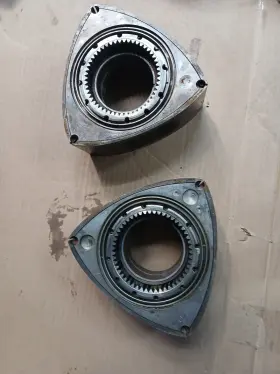
N3Y5-11-B10A MAZDA Naturally Aspirated Engine Rotor
fits year: 1989–1991.
| Brand | MAZDA |
|---|---|
| Manufacturer Part Number | N3Y5-11-B10A |
| Type | ENGINE BLOCK |
| Vintage Part | YES |
| Country/region Of Manufacture | JAPAN |
| Performance Part | NO |
Review MAZDA Rx-7 Naturally Aspirated 13b Engine Rotor Weight Pair
The Mazda RX-7 naturally aspirated 13B engine rotor is a crucial component of the iconic Wankel rotary engine, which was used in the Mazda RX-7 models produced between 1989 and 1991. This engine rotor is unique due to its naturally aspirated design, which sets it apart from the turbocharged versions of the 13B engine.
The Mazda RX-7 13B engine rotor is a triple-rotor design, which is a hallmark of Mazda's Wankel rotary engines. It consists of a housing that contains three rotors, each with its own eccentric shape that allows for smooth, constant combustion. The rotors are supported by bearings, which are lubricated by engine oil.
The naturally aspirated design of this engine rotor means that it relies on atmospheric pressure to draw in fuel and air for combustion. This results in a more linear power delivery and a distinctive engine note compared to the turbocharged versions of the 13B engine.
The Mazda RX-7 naturally aspirated 13B engine rotor is a high-performance component that requires regular maintenance to ensure optimal performance. It features a durable design, with a strong housing and robust bearings. However, it is essential to replace the engine rotor and other related components, such as the seals and bearings, at recommended intervals to prevent damage and maintain engine efficiency.
The Mazda RX-7 naturally aspirated 13B engine rotor is a must-have for enthusiasts and collectors of classic sports cars. It offers a unique driving experience and is a testament to Mazda's engineering prowess during the 1980s and 1990s. Installing this rotor in a well-maintained RX-7 can result in a responsive, agile, and exhilarating driving experience that is unmatched by other sports cars of the era.
In summary, the Mazda RX-7 naturally aspirated 13B engine rotor is a high-performance component that is a crucial part of the iconic Wankel rotary engine used in the Mazda RX-7 models produced between 1989 and 1991. Its unique naturally aspirated design results in a smooth, linear power delivery and a distinctive engine note. Regular maintenance is essential to ensure optimal performance and longevity. This rotor is a must-have for enthusiasts and collectors of classic sports cars and offers a unique driving experience that is unmatched by other sports cars of the era.
The Mazda RX-7 13B engine, particularly the naturally aspirated versions used in the 1989-1991 model years, is renowned for its unique rotary design and high-revving capabilities. Here are some pros and cons to help you make an informed decision about purchasing this engine:
Pros:1. Unique Rotary Engine: The RX-7's rotary engine offers a different driving experience compared to conventional piston engines. It is known for its smooth power delivery and high-revving capabilities, making it an attractive option for some enthusiasts.
2. Compact Size: The rotary engine is smaller and lighter than a comparable piston engine, which can lead to better weight distribution and improved handling. This can be a significant advantage for those looking to build a performance vehicle.
3. Relative Affordability: Compared to some other high-performance engines, the RX-7's 13B engine can be relatively affordable, especially for used examples. This makes it an attractive option for those on a budget.
Cons:1. Complexity: Rotary engines are more complex than piston engines. They require regular maintenance, such as frequent oil changes and the use of specialized oil, to ensure proper operation.
2. Emissions: Rotary engines produce unique emissions that can be difficult to address with standard emission control systems. This can make it challenging to pass emissions inspections, especially in areas with strict regulations.
3. Fuel Efficiency: Rotary engines are not known for their fuel efficiency. They consume more fuel than comparable piston engines, which can lead to higher operating costs over time.
4. Durability: Rotary engines can be less durable than piston engines, particularly in high-performance applications. They are prone to issues such as oil leaks, piston ring wear, and combustion chamber wear.
Conclusion:The Mazda RX-7's 13B naturally aspirated rotary engine offers a unique driving experience with its smooth power delivery and high-revving capabilities. However, it comes with some drawbacks, including complexity, emissions challenges, and fuel efficiency concerns. Additionally, durability can be an issue, particularly in high-performance applications.
If you are willing to invest time and resources in regular maintenance, and you are drawn to the unique characteristics of a rotary engine, then the RX-7's 13B engine could be a rewarding choice. However, if you prioritize ease of use, reliability, and fuel efficiency, you may want to consider alternative engine options. Ultimately, the decision depends on your personal preferences, budget, and intended use for the engine.
Details:
Came out of 1987 fc3s series 4 n/a engine good used condition. Pulled out of running engine with no issues.
specifications engineblocksam:
- for years: 1989–1991
- brand: Mazda
- mpn: N3y5-11-b10a
- type: Engine Block
- vintage part: Yes
- country/region of manufacture: Japan
- performance part: No
returns engineblocksam:
- policy: no returns
offer engineblocksam:
- sold #: 22
- options: ship-to-home
- prices: $684.60–$707.00
- item condition: New
- in stock #: 5
- started: june 27, 2025
- availability: in stock
general engineblocksam:
- category: Auto Parts > Car Truck Accessories > Engines > Blocks
seller engineblocksam:
- # reviews: 417
- city: dubuque, iowa
- rating: 100.0%
shipping engineblocksam:
- carrier: usps
- transit: 5-13 days
- class: standard
- service: usps ground advantage
- type: calculated
payments engineblocksam:
- other
- credit card: diners-club
- wallet: apple-pay
Similar Items:
- Mazda 8m8e6c364aa Engine Block Girdle From 2012 Cx-9 3.7 Please replace such items as required for proper installation...(January 7th, 2024)
- Mazda 7t4e6325ca Engine Block Main Caps From 2012 Cx-9 3.7 Please replace such items as required for proper installation...(January 8th, 2024)
- Mazda 302-50320 Engine Cylinder Block From 2011 3 2.5 CX-7 10-12 2.5L. Please replace such items as required for proper installation. Fitment type: 3/1 0-13 2.5L...(January 15th, 2024)
- Mazda N3h2-11-d00d Rx-8 Engine Eccentric Shaft 2004-11 Rx8 Renesis Crankshaft Mazda RX-8 engine eccentric shaft / 2004 -11 RX8 Genesis N3H2-11-D00D crankshaft: 2004 -2011 shaft, genuine oem used in great conditions. For automatic transmission. Made in japan. Shipping: shipping cost: see listing for shipping costs. Prices vary depending on item and destination. Mazda part ...(January 31st, 2024)
- Mazda N3h1-10-b10c Rx8 Rotor Housing 2004-08 Rx-8 13b Renesis N3h110b10c Mazda part number: N3H1-10-B10C. Untouched, all to factory spec. Made in japan. Prices vary depending on item and destination. Shipping: shipping cost: see listing for shipping costs. Mazda RX8 rotor housing 2004 -08 RX-8 13B Genesis N3H1-10-B10C N3H110B10C: 13B-MSP engine housing, genuine oem used...(February 3rd, 2024)
- Mazda N3z1-11-b10c Rx8 Engine Rotors 2004-11 Rx-8 13b 6-port N3z1-11-b50c Shipping: shipping cost: see listing for shipping costs. Mazda part numbers: front rotor: N3Z1-11-B10C. All parts are priced based on conditions. Rear rotor: N3Z1-11-B50C. Untouched, all to factory spec. Mazda RX8 engine rotors 2004 -11 RX-8 13B 6-PORT N3Z1-11-B10C / N3Z1-11-B50C: two rotors, ...(February 3rd, 2024)
- Mazda N3h3-10-d00a Rx8 6-port Engine Middle Iron Plate 2004-08 Rx-8 Center Shipping: shipping cost: see listing for shipping costs. Mazda part number: N3H3-10-D00A. Fits: 6SPD manual transmission at plate is different part number. All parts are priced based on conditions. Made in japan. Mazda RX8 6-PORT engine middle iron plate 2004 -08 RX-8 N3H3-10-D00A: 13B-MSP ...(February 3rd, 2024)
- Mazda N3h3-10-c00 Rx8 6-port Engine Front Iron Plate 2004-08 Rx-8 13b Renesis Mazda part number: N3H3-10-C00. Mazda RX8 6-PORT engine front iron plate 2004 -08 RX-8 13B Genesis N3H3-10-C00: 13B-MSP plate, genuine oem used in good conditions. Made in japan. All parts are priced based on conditions. Shipping: shipping cost: see listing for shipping costs. Prices vary depending...(February 3rd, 2024)
- Mazda Pyfa124y0 Cx-50 2.5l Engine Motor Cylinder Block Crankcase And Camshafts Oem 2023 Mileage: 5k miles. Color: gray 47C-POLYMETAL metallic exterior / brown VA7-TERRACOTTA interior. Please verify that it fits and is compatible with your specific model before purchasing. Donor vehicle: 2023 Mazda CX-50 2.5 turbo meridian edition 2 .5L AWD automatic transmission. This is an item that ...(February 9th, 2024)
- Mazda 302-50228 Engine Cylinder Block From 2008 Cx-9 3.7 CX-9 08-15 3.7L. Fitment type: 6/0 9-13 3.7L. Please replace such items as required for proper installation...(February 12th, 2024)
- Mazda 302-50130 Engine Cylinder Block From 2009 3 2.0 Please replace such items as required for proper installation. 3/0 7-11 2.0L. Fitment type: 3/0 6 2.0L...(February 12th, 2024)
