- Car & Truck Engine Blocks Used-New Parts
- sku: 3052730213548681
- NISSAN JA0Q25
JA0Q25 NISSAN Engine Cylinder Block Altima
fits model: Altima. year: 2007–2013.
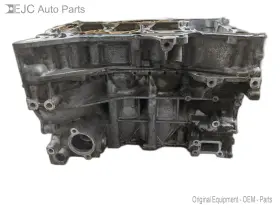
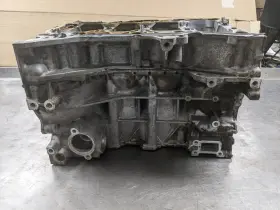
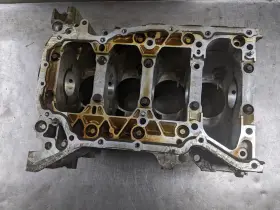
| Brand | NISSAN |
|---|---|
| Manufacturer Part Number | JA0Q25 |
| Fitment Type | DIRECT REPLACEMENT |
| Mounting Hardware Included | NO |
| Manufacturer Warranty | 30 DAYS |
| Type | ENGINE CYLINDER BLOCK |
| Engine Size | 2.5 |
| Valvetrain Iteration | DOHC |
| Transmission Type | AUTOMATIC |
| Location Id | BKY27 |
| Vehicle Id | 12270 |
Review NISSAN Engine Cylinder Block For Altimas 2.5 for ALTIMA 2007–2013
The Nissan JA0Q25 engine cylinder block is a crucial component of the 2.5-liter four-cylinder engine found in select Nissan Altimas from model years 2007 to 2013. This engine is known for its fuel efficiency and reliable performance, and the cylinder block is the foundation that supports the entire powertrain.
The cylinder block is a cast aluminum component, which provides excellent strength and durability while also keeping weight to a minimum. The block houses five cylinders with a bore size of 3.23 inches and a stroke length of 3.46 inches. It is compatible with engines that have a displacement of 2,488 cc and a compression ratio of 10.0:1.
The cylinder block is equipped with water jackets that run throughout the engine to help maintain optimal engine temperature. These cooled water jackets are essential for the engine's proper operation, as they help prevent overheating, promote efficient combustion, and increase the engine's overall lifespan.
The block has precise boring and honing for uniform engine cylinder wall thickness, ensuring even combustion and equitable engine performance. Additionally, the cylinder block has a forged crankshaft and forged connecting rods for increased power output and reduced flex during operation.
Finally, the Nissan JA0Q25 engine cylinder block also features a deep-skirt design that strengthens the block's overall structure and rigidity. This design significantly reduces the amount of deflection under the loads of the engine, enhancing power and fuel efficiency.
Overall, the Nissan JA0Q25 engine cylinder block is a vital engine component essential for the performance, power, and reliability of the select 2.5-liter four-cylinder engines in 2007-2013 Nissan Altimas. It offers excellent strength, durability, and cooling properties, ensuring consistent power output and reliable operation throughout the engine's lifespan.
Nissan JA0Q25 Engine Cylinder Block for 07-13 Altima: A Comprehensive Analysis
Introduction:The Nissan Altima, a popular midsize sedan, uses the JA0Q25 engine for model years 07-13. If you're in need of a new cylinder block for your Altima, this analysis will help you make an informed decision by presenting the pros and cons of buying a Nissan OEM (Original Equipment Manufacturer) or aftermarket cylinder block.
Pros of Buying Nissan OEM Cylinder Block:1. Genuine Part: A Nissan OEM cylinder block is manufactured by Nissan, ensuring fit, function, and durability as intended by the vehicle's original designer.
2. Warranty and Reliability: OEM parts typically come with a manufacturer's warranty, as confidence in the product's quality.
3. Long-Term Savings: Although more expensive upfront, OEM parts may prevent further vehicle issues and reduce the need for repetitive repairs.
Cons of Buying Nissan OEM Cylinder Block:1. Cost: Nissan OEM cylinder blocks can be significantly more expensive than aftermarket alternatives.
2. Availability: OEM parts may not always be readily available at local dealerships or repair shops, resulting in potential delays and inconvenience.
Pros of Buying Aftermarket Cylinder Block:1. Affordability: Aftermarket cylinder blocks are generally more cost-effective compared to OEM parts.
2. Variety: Aftermarket parts often have a wider selection of alternatives from various manufacturers, allowing for possible improvements and upgrades.
3. Availability: Aftermarket parts are typically more plentiful and accessible in the market, ensuring a quicker turnaround for repair needs.
Cons of Buying Aftermarket Cylinder Block:1. Quality Concerns: Aftermarket parts may not be made to the same exacting standards as OEM parts, potentially leading to compromised fit, function, and durability.
2. Compatibility: Not all aftermarket cylinder blocks may be compatible with all vehicle models or years, necessitating careful research.
3. Warranty: Aftermarket parts usually do not come with a manufacturer's warranty, increasing risk for potential complications.
Conclusion:In conclusion, both Nissan OEM and aftermarket cylinder blocks have their merits and downsides. Consider your budget, time constraints, and desired level of risk when deciding between the two. Those prioritizing a genuine, warranty-protected part are better off with OEM, while those looking for affordability and accessibility may opt for aftermarket cylinder blocks.
Recommendation:Ultimately, your decision depends on your personal circumstances. If you wish to prioritize fit, function, and long-term savings while knowing the part is an exact match to your vehicle, a Nissan OEM cylinder block is the recommended choice. For budget-conscious consumers who require a quick repair, or those willing to explore component alternatives, an aftermarket cylinder block can be a more feasible alternative. Make sure to evaluate each option carefully and consult your mechanic for professional advice before making a final decision.
Details:
Please replace such items as required for proper installation.
specifications engineblocksam:
- for models: Altima
- for years: 2007–2013
- brand: Nissan
- mpn: Ja0q25
- fitment type: Direct Replacement
- mounting hardware included: No
- manufacturer warranty: 30 Days
- type: Engine Cylinder Block
- engine size: 2.5
- valvetrain iteration: Dohc
- transmission type: Automatic
- location id: Bky27
- vehicle id: 12270
shipping engineblocksam:
- transit: 3-7 days
- service: standard
- type: fixed
- class: standard
returns engineblocksam:
- time: 60 days
- policy: returns accepted
- paid by: buyer
general engineblocksam:
- category: Auto Parts > Car Truck Accessories > Engines > Blocks
seller engineblocksam:
- city: denver, colorado
- rating: 99.0%
- # reviews: 58008
offer engineblocksam:
- prices: $399.95–$440.95
- item condition: Used
- best offers: true
- options: ship-to-home
- started: december 16, 2024
- in stock #: 5
- sold #: 23
- availability: in stock
payments engineblocksam:
- credit card: visa
- other
- wallet: apple-pay
Similar Items:
- Nissan 10103-cd0m0 03-06 Infiniti G35 350z Vq35de Engine Short Block Turns over, no indents in cylinder walls...(December 26th, 2023)
- Nissan 284b6jg03a 07 08 09 10 11 12 13 Rogue Sentra Engine Fuse Box Relay Block Part #: Nissan 284B6JG03A for sale...(December 28th, 2023)
- Nissan 302-50174 Engine Cylinder Block From 2015 Rogue 2.5 Korea Built Fitment type: rogue 09-13 QR25DE, 2.5L. Please replace such items as required for proper installation. Sentry 07-12 2.5L, at CT...(December 28th, 2023)
- Nissan 284b71aa0a 07 08 09 10 Altima Engine Fuse Box Relay Junction Block Panel Part #: Nissan 284B71AA0A for sale...(December 29th, 2023)
- Nissan 302-59174 Engine Cylinder Block Vq40de 2007 Xterra Frontier 4.0l 2008 Was installed, never ran. Selling a bare VQ40 block from 2007 Nissan Terra. No crank or pistons/ rods. And some cleaning. Can add those for a small fee as well. Can include inner and outer timing covers of needed. Block could use a hone. Also have a new timing chain kit with deadbolts. Does come ...(December 29th, 2023)
- Nissan 302-60137 2020 Pathfinder 3.5l Engine Cylinder Block With Timing Chain Plate Cover Oem Standard warranty. Pathfinder 17-20 3.5L, 6 cylinder. Infiniti QX60 17 3.5L 6 cylinder...(January 6th, 2024)
- Nissan 302-50254 Engine Cylinder Block From 2011 Murano 3.5 Surface Rust Pathfinder 13 3.5L, 6 cylinder. Please replace such items as required for proper installation. Fitment type: Mariano 09-13 3.5L, 6 cylinder. Quest 11-14 3.5L, 6 cylinder. Mariano 14 3.5L, 6 cylinder, thru 8/13...(January 6th, 2024)
- Nissan 11000-5rl0a 2018-2022 Kicks Fwd 1.6l I4 16v Gas Engine Cylinder Block Hr16de Oem Body type: SUV sport utility 4-DOOR. Mileage: 48K mileage. Donor vehicle: 2019 Nissan kicks SUV...(January 11th, 2024)
- Nissan 300-77150 2016-2019 Titan Xd Engine 5.0l Diesel Vin B 4th Digit 65k Miles You should expect to use your existing intake manifold, exhaust sensors, and harness eliminate complications when installing a used engine. All engines are sold without starter, alternator, steering pump, turbo, supercharger, ac compressor, coil packs, distributors, plastic engine covers, throttle ...(January 11th, 2024)
- Nissan 302-50144 Engine Cylinder Block From 2011 Versa 1.8 Versa 09-11 1.8L. Please replace such items as required for proper installation. Fitment type: NV200 13 MR20DE, cargo van. NV200 14-16 MR20DE, cargo van. Sentry 07-09 2.0L...(January 12th, 2024)
- Nissan Vk567098892 Engine Cylinder Block From 2010 Titan 5.6 NV2500 12-15 5.6L 8 cylinder. NV3500 12-15 5.6L 8 cylinder. Fitment type: armada 10-15 5.6L, 8 cylinder. Pathfinder 10-12 5.6L 8 cylinder. Please replace such items as required for proper installation...(January 12th, 2024)
