- Car & Truck Engine Blocks Used-New Parts
- sku: 8643420432098751
- FORD BR3E6015HB
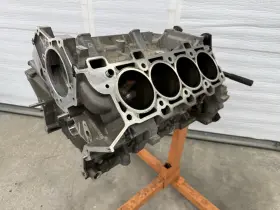
BR3E6015HB FORD Engine Block Standard Gt Mustang
fits model: Gt, Mustang. year: 2011.
| Brand | FORD |
|---|---|
| Manufacturer Part Number | BR3E6015HB |
| Type | ENGINE BLOCK |
| Country Of Origin | UNITED STATES |
Review FORD 5.0 Gen Oem Engine Short Block Standard 44k for MUSTANG GT 2011
The Ford BR3E6015HB engine block is a crucial component of the 2011 Mustang GT 5.0 liter Gen III engine. This engine block is a standard cast iron unit, engineered to deliver power, durability, and reliability.
The BR3E6015HB engine block is a SOHC (Single Overhead Camshaft) design, with a bore size of 3.622 inches and a stroke length of 3.58 inches. The cylinder block is designed to house five main bearing caps and eight counterweighted crankshaft bearing caps. The block also features a deep skirt design that helps to reduce weight and improve rigidity.
The engine block is built with a number of key features to enhance performance and durability. The cylinder bores are lined with a nitride-treated, forged steel crankshaft, which provides excellent strength and resistance to wear. The block also features four-bolt main caps, which help to increase the engine's torque capacity and improve overall engine performance.
Additionally, the engine block is equipped with a cast-iron cylinder head gasket, which provides excellent sealing and helps to prevent oil and coolant leaks. The block also features a deep sump oil pan, which helps to ensure adequate oil capacity and pressure during high-performance driving.
The BR3E6015HB engine block is capable of withstanding an impressive 44,000 PSI (pounds per square inch) of engine pressure. This makes it an ideal choice for high-performance applications and modifications, such as increased horsepower and torque.
In summary, the Ford BR3E6015HB engine block is a robust and reliable component of the 2011 Mustang GT 5.0 liter Gen III engine. Its deep skirt design, high-strength forged steel crankshaft, and four-bolt main caps make it a durable and powerful foundation for the engine, capable of withstanding high engine pressures and delivering impressive performance.
The Ford Boss 302 Engine, specifically the 5.0 liter version with part number BR3E6015HB, was first introduced in the 2011 Mustang GT. This engine block is a traditional cast iron design, and it has gained popularity among Mustang enthusiasts due to its performance capabilities. Here are some pros and cons of buying this engine block for your project or restoration:
Pros:1. Power: The Boss 302 engine delivers impressive power, with outputs ranging from 412 to 444 horsepower, depending on the specific tuning and modifications.
2. Durability: The cast iron engine block provides excellent heat dissipation and durability, making it suitable for high-performance applications.
3. Classic Appeal: The Boss 302 engine is a popular choice among Mustang enthusiasts due to its rich history and iconic status within the Mustang community.
4. Availability: As a factory Ford engine, the Boss 302 engine block is readily available from various sources, including Ford dealerships, salvage yards, and aftermarket suppliers.
Cons:1. Cost: The Boss 302 engine block can be expensive, especially when compared to other aftermarket options. The cost can be attributed to its performance capabilities, durability, and classic appeal.
2. Complexity: Installing a Boss 302 engine block requires a significant amount of expertise and resources. The engine is known to have complex wiring harnesses, fuel systems, and other components that can be challenging to install and configure.
3. Weight: The cast iron engine block is heavier than some aftermarket options, which can impact the overall weight and performance of the vehicle.
In conclusion, the Ford Boss 302 5.0 liter engine block (BR3E6015HB) offers impressive power, durability, and classic appeal, making it an attractive choice for Mustang enthusiasts. However, its high cost, complexity, and weight are considerations that should be taken into account before making a purchase.
If you are committed to the Mustang platform and seek peak performance, the Boss 302 engine block may be the best choice for you. However, if you are looking for a more cost-effective or lightweight option, you may want to explore other engine blocks or aftermarket engines. Ultimately, the decision depends on your specific project goals, budget, and expertise.
Details:
Motor was disassembled, pictured, and shrink wrapped all within a couple hours to hopefully keep this as clean possible. Removed from a 2011 Mustang with only 44k miles free of issues. Any questions, feel free to ask. It is used and has some light lines in the cylinder walls.
specifications engineblocksam:
- for models: Gt, Mustang
- for years: 2011
- brand: Ford
- mpn: Br3e6015hb
- type: Engine Block
- country of origin: United States
seller engineblocksam:
- city: denham springs, louisiana
- # reviews: 4132
- rating: 99.6%
offer engineblocksam:
- options: ship-to-home
- in stock #: 1
- availability: in stock
- price: $1299.99
- item condition: Used
- sold #: 10
- started: may 6, 2026
payments engineblocksam:
- wallet: paypal
- credit card: discover
- other
general engineblocksam:
- category: Auto Parts > Car Truck Accessories > Engines > Blocks
returns engineblocksam:
- policy: no returns
shipping engineblocksam:
- class: standard
- transit: 3-9 days
- service: standard
- type: fixed
Similar Items:
- Ford 300-09208 Engine 1.6l Vin J 8th Digit Fits 14-19 Fiesta All engines are sold without starter, alternator, steering pump, turbo, supercharger, ac compressor, coil packs, distributors, plastic engine covers, throttle bodies and ecu. Timing belts or chains, hoses, seals, spark plugs and gaskets any sensors must be replaced at the time of installation are ...(December 26th, 2023)
- Ford 302-1513 2000 Mountaineer 5.0l Short Block 71k 98-01 Explorer I am near paddock, KY, cape grade, mo, and Evansville, in. Just send me your zip code and I will get a quote. This Ont has 71,000 miles on it. It includes the crankshaft, pistons, oil pan, and timing cover. I recently sold the cylinder heads off it. I have for sale a complete short block removed ...(December 28th, 2023)
- Ford Ag9g6a785ca Engine Oil Separator From 2015 Escape 2.0 Please replace such items as required for proper installation...(December 31st, 2023)
- Ford Br3e6c364ca Engine Block Girdle From 2012 Edge 3.5 Please replace such items as required for proper installation...(December 31st, 2023)
- Ford At4e6015c24 Engine Cylinder Block From 2012 Edge 3.5 Please replace such items as required for proper installation...(January 1st, 2024)
- Ford 7t4e6c364ba Engine Block Girdle From 2011 Flex 3.5 Please replace such items as required for proper installation...(January 2nd, 2024)
- Ford Ds7g6a785bc Engine Oil Separator From 2018 Fusion 1.5 Please replace such items as required for proper installation...(January 3rd, 2024)
- Ford Truck 300-09137b 2015 Transit 250 Engine 3.7l Vin M 8th Digit 130k Miles You should expect to use your existing intake manifold, exhaust sensors, and harness eliminate complications when installing a used engine. Timing belts or chains, hoses, seals, spark plugs and gaskets any sensors must be replaced at the time of installation are not covered by warranty. When ...(January 3rd, 2024)
- Ford 302-00163 Engine Cylinder Block From 2014 Explorer 3.5 Turbo Explorer 11 3.5L. Explorer 12 3.5L. Fitment type: edge 11-17 3.5L. Explorer 13-17 3.5L, w/o turbo. Please replace such items as required for proper installation...(January 4th, 2024)
- Ford 9e5g6a785ab Engine Oil Separator From 2012 Fusion 2.5 Please replace such items as required for proper installation...(January 4th, 2024)
- Ford Truck 302-01512 7.3l Engine Lifting Eye Hook With Bolts Fits 1999-2003 F250 F350 F450 F550 The only exception would be if the engine/transmission is a core unit and being sold for parts. 7.3L engine lifting eye hook w/ bolts fits 1999 -2003 Ford F250 F350 F450 F550 item: - item condition: good, used condition. Engines and transmissions have a 90 day parts only warranty...(January 4th, 2024)
