- Car & Truck Engine Blocks Used-New Parts
- sku: 3281320887025622
- GM 6421981
6421981 GM Nos Cv 396 427 Corvette Camaro Chevelle
fits model: 396, 427, Corvette, Camaro, Chevelle. year: 1965-69.
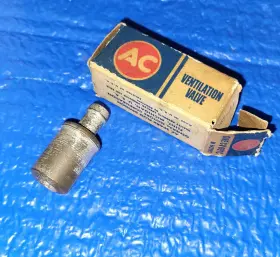
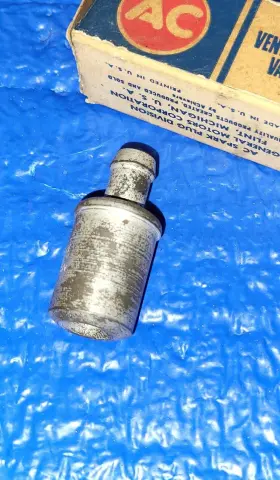
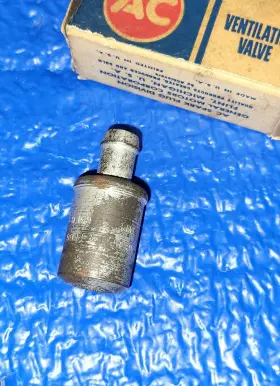
| Brand | GM |
|---|---|
| Manufacturer Part Number | 6421981 |
| Fitment Type | DIRECT REPLACEMENT |
| Items Included | VALVE |
| Engine | 396CI W/ 375HP Z16 396CI W/ 425HP L78 427CI W/ 390HP L36 |
| Material | METAL |
| Vintage Part | YES |
| Modified Item | NO |
| Placement On Vehicle | FRONT |
| Type | CHEVY VETTE CAMARO CHEVELLE SS 396 427 SUPER SPORT |
| Manufacturer Warranty | NO WARRANTY |
| Country/region Of Manufacture | UNITED STATES |
| Finish | OEM VTG NIB NEW N.O.S. G.M. VINTAGE SILVER GOLD |
Review GM Nos Cv for CORVETTE CAMARO CHEVELLE 396 427 1965-69
Introducing the iconic GM 6421981 engine, a powerful and historically significant automotive component that graced the 1965-1969 Chevrolet Corvette, Camaro, and Chevelle models with the muscle and might of their 396 ci and 427 ci engines. This particular engine identification number (EIN), 6421981, represents a specific assembly of these engines that were produced during the late 1960s and categorized under the service parts nomenclature 691C.
The GM 6421981 engine is a testament to the golden era of American muscle cars, as it was born from the collective desire for raw power, impressive performance, and unyielding style. The 396 cubic inch (6.4 liters) and 427 cubic inch (7.0 liters) variants of this engine were the larger options in Chevrolet's small-block family of engines, and the 6421981 series was a high-performance incarnation that rendered unprecedented power and torque for the era.
Chief among the engine's standout features was its powerplant choices. For those seeking the more modest, yet still destructive, power figures, the 396 ci engine, a.k.a "the big-block in a small-block," centered around a hotter camshaft, solid lifters, a four-barrel carburetor, and aluminum high-performance intake manifold to produce an estimated 350 to 385 horsepower, depending on the particular trim level and available options.
On the other hand, V8 enthusiasts desiring the ultimate in power and aggressiveness gravitated towards the 427 ci engine, a.k.a "the side-oxygen," which produced staggering horsepower figures, with the base horsepower output situated around 390, and the legendary 425 Horsepower L72 Tri-Power version producing an awe-inspiring 425 horsepower at 5,600 RPM. The 427 ci engine was notorious for its raw power, monstrous torque, and intimidating exhaust note.
The highly coveted 691C designation that accompanied the 6421981 engines granted them several refinements and upgrades, making them even more desirable amongst collectors and enthusiasts. These improvements included an upgraded cylinder head (RPO L27) that boasted larger valves and higher-lift camshafts, and a forged steel crankshaft to accommodate the additional power. Additionally, the 691C engines could be optionally fitted with the 4-speed Muncie M22 "Rock Crusher" close-ratio transmission for even greater control over the power delivery.
The 1965-1969 Chevrolet Corvette, Camaro, and Chevelle 396 427 ci engines under the 6421981 series not only defined an epoch in the American muscle car scene but also went on to shape the automotive landscape for years to come. If you seek to restore, preserve, or simply experience the unbridled power of these engines, search for parts, manuals, or valuable resources under the widely recognized engine identification number, 6421981. This engine isn't just a piece of history; it's a pure, heart-pumping, and exhilarating piece of American automotive heritage.
bought Carlos's 1965-1969 GM Muscle Cars (specifically Corvette, Camaro, and Chevelle with 396 or 427 cubic inch engines and the 691C transmission) can be an exciting venture for car enthusiasts. This section aims to provide an unbiased analysis of the pros and cons of buying this iconic muscle car model.
securing a GM 6421981-equipped muscle car from 1965 to 1969 comes with several advantages and disadvantages.
advantage:1. Power: The 396 and 427 cubic inch engines offer impressive horsepower, ensuring a thrilling driving experience.
2. Classic Design: These cars retain their classic, timeless designs, making them popular collectors' items.
3. Customization: The optional 691C transmission allows for easier and smoother gear changes.
4. History: Owning a piece of American automotive history can be a rewarding investment.
5. Availability: Compared to some more exclusive muscle cars, these models are relatively abundant in the market.
minus:1. Maintenance: Older cars require more frequent and sometimes costly maintenance, especially for engines and transmissions.
2. Fuel Efficiency: These cars were designed in an era when fuel efficiency was not a primary concern; expect poor fuel economy.
3. Spare parts: Due to their age, finding original and replacement parts can be a challenge and may increase costs.
4. Depreciation: Older cars may not hold their value as well as newer cars or modern collectibles.
5. Safety: While these cars had state-of-the-art safety features for their time, they lack the advanced safety systems found in modern vehicles.
6. Insurance: Insuring an older classic muscle car can be costlier than insuring a newer car due to their value and insurance risk.
Conclusion:In summary, buying a GM 1965-1969 Muscle Car (Corvette, Camaro, or Chevelle) featuring a 396 or 427 cubic inch engine and the 691C transmission serves as an investment in a nostalgic piece of American automotive history. These cars offer a powerful driving experience, a classic design, and customizable features, but they also come with high maintenance costs, poor fuel efficiency, limited spare parts availability, and comparatively higher insurance premiums.
Recommendation:If you are a true muscle car enthusiast, this investment might be worthwhile for you, especially if you can afford the additional costs associated with owning an older vehicle. However, extensive research, regular maintenance, and reliable insurance coverage are highly recommended to make the most of your investment. To maximize value and minimize expenses, consider purchasing a restored or well-maintained example with a documented service history and authenticity certificate.
Details:
specifications engineblocksam:
- for models: 396, 427, Corvette, Camaro, Chevelle
- for years: 1965-69
- brand: Gm
- mpn: 6421981
- fitment type: Direct Replacement
- items included: Valve
- engine: 396ci W/ 375hp Z16 396ci W/ 425hp L78 427ci W/ 390hp L36
- material: Metal
- vintage part: Yes
- modified item: No
- placement on vehicle: Front
- type: Chevy Vette Camaro Chevelle Ss 396 427 Super Sport
- manufacturer warranty: No Warranty
- country/region of manufacture: United States
- finish: Oem Vtg Nib New N.o.s. G.m. Vintage Silver Gold
shipping engineblocksam:
- service: usps ground advantage
- class: standard
- carrier: usps
- type: fixed
- transit: 5-12 days
seller engineblocksam:
- # reviews: 693
- city: gainesville, georgia
- rating: 100.0%
payments engineblocksam:
- other
- wallet: google-pay
- credit card: diners-club
returns engineblocksam:
- policy: no returns
offer engineblocksam:
- availability: in stock
- best offers: true
- options: ship-to-home
- sold #: 23
- in stock #: 5
- started: december 30, 2024
- prices: $189.99–$499.99
- item condition:
- New other (see details)
- New
general engineblocksam:
- category: Auto Parts > Car Truck Accessories > Engines > Blocks
Similar Items:
- Buick 1338439 1949 Nos And Used Port Hole Super Roadmaster Chrome Trim Parts Oem Gm Old school 401-425-364-322 1959 1960 1961 1962 1963 1964 1965 1966 1967 1968 1969 1970 nail head super wildcat nos 325 360 340 hp 445 465 hot rod muscle car nail head Nair. Part # 1338439. Watch for other new item available in the future. I can take a credit card over the ...(December 31st, 2023)
- Gm 598293 06-13 C6 Corvette Ls7 Ls9 Z06 Zr1 Front Timing Cover Dry Sump Oem Condition is used. 06-13 c6 corvette LS7 LS9 Z06 ZR1 front timing cover dry sump oem. Shipped with FedEx ground economy...(January 15th, 2024)
- Chevrolet 3963512 Gm Big Block Chevy Engine 427 454 4 Bolt Main Corvette Chevelle No marks on the pad. Good clean 427 454 4 bolt main engine block. Pics are of the actual block...(January 19th, 2024)
- General Motors Gm Chevrolet Pontiac Buick Oldsmobi 14015506 70 75 79 Impala Chevelle Nova Camaro C10 K10 Engine Cooling Fan 5 Blade Will fit many vehicles. There are multiple types. This may or not be able to used on all model's in the guide. Make sure this is for you. Used Gm 5 blade multi pattern fan. See pictures and ask questions please...(February 29th, 2024)
- Gm Chevrolet 3956618 618 1969 Camaro Dz 302 Z28 4 Bolt Main Engine Block Date A69 Please see the photos, as they are part of and condition. Thanks, dean. 1969 camaro dz 302 Z28 4 bolt main engine block date A69 3956618, this is a re stamped 3956618 bolt main engine block. Item viewing, it is sometimes difficult to see all of the details an item on a phone or small screen device...(February 29th, 2024)
- Gm Chevrolet 3916323 323 1968 Camaro Ss 396 325 Hp Bb Short Block Dated I237 Super Sport Questions?, I am happy to answer any of your questions about this item. Selling as a rebuild able core. Thanks, dean. Please see the photos, as they are part of and condition. Item viewing, it is sometimes difficult to see all of the details an item on a phone or small screen device. 1968 camaro ...(February 29th, 2024)
- Gm Chevrolet 3782870 870 Ce 1964 Corvette 327 365 And 375 Solid Lifter Short Block Unstamped Fuel Injection Questions?, I am happy to answer any of your questions about this item. Ce 1964 corvette 327 365 375 solid lifter short block un stamped fuel injection, this is an over the counter purchased 3782870 327/365 327/375 fuel injection short block. This engine came out of a running car that had not been...(March 1st, 2024)
- General Motors 3855962 1970-1972 Chevy Chevelle Nova Truck 402 Bare Gm 3869854 2 Bolt Bbc Block This block does have a mechanical fuel pump boss. Smaller items are shipped standard USA postal service or USPS priority mail. They are guaranteed to have no cracks and they machinable. This is just a file photo to show you what they look like cleaned up ship. Next, select a topic, or choose other. ...(April 3rd, 2024)
- Gm 3860010 Rare 1965 Corvette L78 396 425hp Harmonic Balancer Dated Have left over balance and correct original oar timing cover. Fully functional and Dino tested. These are original Gm parts, not reproduction!, has, 3860010 part number cast inside...(April 19th, 2024)
- Gm 3932396 1969 Chevroelt Camaro 327 302 350 Engine Block Chevy Sbc 2 Bolt Main Will work out shipping with buyer. 1969 Chevrolet camaro 327 302 350 engine block chevy ABC 2 bolt main...(June 4th, 2024)
- Gm 3914660 Camaro Chevelle Corvette Nova Chevy 2 E-31-8 Stamp Hn Standard Bore ...(June 5th, 2024)
