- Car & Truck Engine Blocks Used-New Parts
- sku: 460872161002692
- HYUNDAI 300-10203
300-10203 HYUNDAI Engine Elantra
fits model: Elantra. year: 2017–2020.
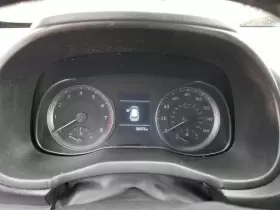
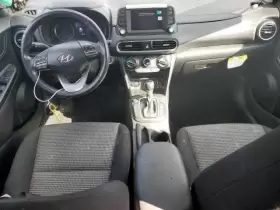

| Brand | HYUNDAI |
|---|---|
| Part Type | ENGINE |
| Conditions Options | FWD, 6AT |
| Genuine Oem | YES |
| Ipn | 300-10203 |
| Year | 2019 |
| Manufacturer Warranty | UNSPECIFIED LENGTH |
Review HYUNDAI Engine 2.0l Vin 8th Digit Sedan Korea Built Fits 38k Miles for ELANTRA 2017–2020
The Hyundai 300-10203 engine is a vital component of the 2017-2020 Elantra models. This engine is a testament to Hyundai's commitment to delivering reliable, efficient, and powerful powertrains.
The Hyundai 300-10203 engine is a 2.0L, 4-cylinder, DOHC (Double Overhead Camshaft) unit. It's equipped with Variable Valve Timing (AVT) and Multi-Point Fuel Injection (MPFI) systems, which optimize fuel efficiency and power delivery. This engine is capable of generating a maximum output of 147 horsepower at 6,200 RPM and 132 lb-ft of torque at 4,500 RPM.
The engine block is made of cast-iron for enhanced durability and heat resistance. It features a lightweight aluminum alloy cylinder head for improved performance and reduced weight. The engine is also equipped with a balancer shaft to reduce vibrations and ensure a smooth operation.
The Hyundai 300-10203 engine is designed with a focus on emissions control. It comes with an integrated exhaust gas recirculation (EGR) system and a catalytic converter to reduce harmful exhaust emissions.
The engine is also equipped with several advanced features to ensure its longevity and reliability. These include a timing chain for durability, a hydraulic lifter system for smooth operation, and a maintenance-free timing chain tensioner.
In conclusion, the Hyundai 300-10203 engine is a well-engineered powertrain that delivers a balance of power, efficiency, and reliability. Its advanced features and robust construction make it an ideal choice for the 2017-2020 Elantra models. Whether you're looking to replace a worn-out engine or upgrade for better performance, this engine is a great option to consider.
Pros of buying a Hyundai 2.0L 8th Generation Elantra engine (Model number 300-10203) for a 2017-2020 Elantra with 38,000 miles:1. Reliability: Hyundai engines are known for their durability and reliability, so you can expect this engine to last for many more miles.
2. Fuel Efficiency: The 2.0L engine is known for its excellent fuel economy, which can save you money in the long run.
3. Power: This engine provides enough power for daily driving, and it is also suitable for light to medium towing.
4. Availability of Parts: Hyundai's popularity ensures that parts for this engine are readily available.
5. Affordability: Compared to some other options, this engine is relatively affordable.
Cons of buying a Hyundai 2.0L 8th Generation Elantra engine (Model number 300-10203) for a 2017-2020 Elantra with 38,000 miles:1. Potential for Engine Noise: Some drivers have reported hearing engine noise from this engine, which may be due to its design or the specific condition of the engine in your car.
2. Limited Modification Options: If you're looking for a high-performance engine, this may not be the best option for you.
3. Age and Mileage: The engine in question has been around for a while now, and it has already accumulated 38,000 miles. This may mean that some maintenance issues may be on the horizon.
In conclusion, the Hyundai 2.0L 8th Generation Elantra engine (Model number 300-10203) is a reliable and fuel-efficient option that provides enough power for daily driving. However, its age and mileage may mean that some maintenance issues may be on the horizon, and it may not offer the same level of modification options as some other engines. If you're looking for a reliable and affordable engine, this may be a good choice for you. However, it's always a good idea to have the engine inspected by a qualified mechanic before making a purchase.
Details:
Not included are any attached components such as fuel delivery, emission and performance sensors which may be left on the engine to ease installation process. Not included are any other attached parts. They are sold as a long block which will fit the vehicle application.
Engine: engine is the engine block, cylinder heads and internal lubricated parts. Inspect / test engines are started and tested.
specifications engineblocksam:
- for models: Elantra
- for years: 2017–2020
- brand: Hyundai
- part type: Engine
- conditions options: Fwd, 6at
- genuine oem: Yes
- ipn: 300-10203
- year: 2019
- manufacturer warranty: Unspecified Length
payments engineblocksam:
- credit card: discover
- wallet: apple-pay
shipping engineblocksam:
- service: flat rate freight
- type: fixed
- class: freight
returns engineblocksam:
- paid by: buyer
- time: 30 days
- policy: returns accepted
general engineblocksam:
- category: Auto Parts > Car Truck Accessories > Engines
offer engineblocksam:
- sold #: 36
- options: ship-to-home
- started: february 1, 2024
- prices: $2141.20–$2475.10
- item condition: Used
- in stock #: 5
- availability: in stock
seller engineblocksam:
- # reviews: 3835
- rating: 99.1%
- city: riverdale, illinois
Similar Items:
- Hyundai 346.hy1212 2012 Tucson 2.4l At Awd Engine Oil Filter Adapter 2.4,AT,AWD,FILTER adapter. No warranty on labor. Vehicles and parts that are painted at different times in assembly plants will never be a perfect match. Radiators and heaters are guaranteed not to leak at time of purchase. All used parts or merchandise must be inspected by buyer for defects safety ...(January 3rd, 2024)
- Hyundai 302-50119 Engine Cylinder Block From 2008 Sonata 3.3 Sonata 06-10 3.3L. Fitment type: Ezra 07-08 3.3L. Santa Fe 07-09 3.3L. Please replace such items as required for proper installation. Ezra 09-10 3.3L...(January 4th, 2024)
- Hyundai 302-50387b Engine Cylinder Block From 2015 Tucson 2.4 Please replace such items as required for proper installation. Elantra 14-16. Elantra 12 1.8L SD. Fitment type: elantra 11 1.8L SD, from 3/29/2011. Elantra 13 1.8L...(January 7th, 2024)
- Hyundai 302-60092 Engine Cylinder Block From 2019 Santa Fe 2.4 Please replace such items as required for proper installation. Santa Fe 17-20 2.4L...(January 12th, 2024)
- Hyundai 300-81720 Engine 2.0l Vin 2 8th Digit Turbo Fits 16-20 Optima 67k Miles Inspect / test engines are started and tested. They are sold as a long block which will fit the vehicle application. Not included are any attached components such as fuel delivery, emission and performance sensors which may be left on the engine to ease installation process. Mil 67K,2.0L,FWD,8AT. ...(January 23rd, 2024)
- Hyundai 21100-2g727 2011-2016 And Kia 2.0l Turbo Engine Bare Block Oem Rf1l Fits: Hyundai KIA with 2.0 turbo 2010 -2015. Unless stated otherwise it may be a little dusty from storage use. For sale is an used oem part original equipment manufacturer that came stock with your car, it not aftermarket. Please be 100% sure this is the correct part for your vehicle...(January 26th, 2024)
- Hyundai 346.hy1s09 Filter Adapter 2.4l Fits 2009 Sonata ...(January 27th, 2024)
- Hyundai 346.hy1403 Filter Adapter 2.4l Fits 2003 Santa Fe ...(January 27th, 2024)
- Hyundai 919503x012 11 12 13 Elantra Interior Cabin Fuse Box Relay Block Panel Please review all the pictures part number before purchase...(January 29th, 2024)
- Hyundai G4kj 2015-2019 Sonata 2.4l Engine Cylinder Block g4kj 4 Zc105 For sale is a 2015 -2019 Hyundai sonata 2.4L 4 cylinder engine block G4KJ, this an original part, oem, not aftermarket. Maybe a little dusty from storage use and have few minor scratches. Please review all pictures carefully and read the before buying. Happy buying. We ask that you please choose ...(January 31st, 2024)
- Hyundai 300-81067a Engine 1.6l Vin E 8th Digit Gdi Fits 12-17 Accent 151k Miles Not included are any attached components such as fuel delivery, emission and performance sensors which may be left on the engine to ease installation process. Not included are any other attached parts. They are sold as a long block which will fit the vehicle application. Engine: engine is the engine...(February 1st, 2024)
